Let me be honest with you. The first time I walked into a massage center Ajman locals had been raving about, I had no idea what I was getting into. The menu had names like Tui Na, An Mo, Meridian massage, and Qi massage, and I just stood there looking like someone who had opened the wrong door. Sound familiar?
Here is the thing: Chinese massage is not a single technique. It is a whole world of therapeutic traditions rooted in Traditional Chinese Medicine (TCM) that go back thousands of years. Knowing which one suits your body and your goals can make the difference between a session that changes your week and one that leaves you confused at the table. And if you are searching for a spa Ajman that offers authentic Chinese bodywork, understanding the basics first will help you ask the right questions.
In this guide, I will walk you through every major style, from Tui Na to Acupressure to Shiatsu, explain what each one does, and help you figure out which one is the right fit for you. By the end, you will book with confidence instead of guessing.
What Exactly Is Chinese Massage, and Why Is It Different?
Most people think of massage as something you get to relax. And yes, that is part of it. But Chinese massage operates on a completely different philosophy. Instead of just working on muscles, it works on Qi (pronounced ‘chee’), the vital life energy that flows through pathways in the body called meridians.
When Qi gets blocked, you get pain, tension, fatigue, and all sorts of problems your GP might describe as ‘stress-related.’ Chinese massage aims to unblock those pathways, restore balance, and let the body heal itself. It is not magic; it is a system that has been refined for over 2,000 years and is now backed by a growing body of modern research.
The umbrella term ‘Chinese massage’ actually covers several distinct techniques, each with its own method, pressure level, and purpose. Here is a quick breakdown before we go deeper.
The Main Types of Chinese Massage You Need to Know
If you are exploring body massage in Ajman, you will likely come across most of these styles. Each one has a distinct character, so let us go one by one. And if you want a quick comparison of all massage types available near you, check out the Ajman Spa services page for a full menu.
Tui Na: The Workhorse of Chinese Bodywork
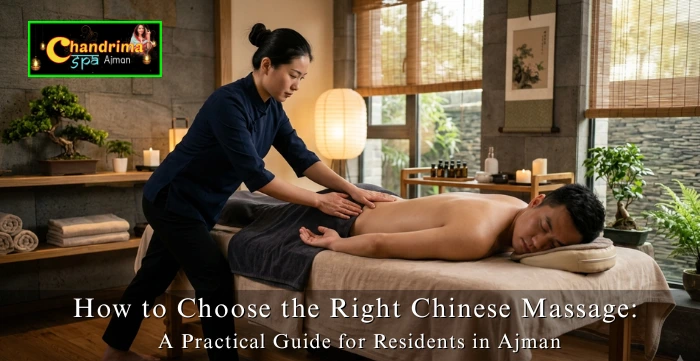
If there is one style that defines traditional Chinese massage therapy, it is Tui Na. The name literally translates to ‘push and grasp,’ and that tells you a lot. Your therapist will use rhythmic pressing, rolling, kneading, and stretching on specific acupressure points and meridians.
Tui Na is excellent for musculoskeletal issues: back pain, neck stiffness, shoulder tension, and even repetitive strain injuries. It is one of the more vigorous styles, so do not expect it to feel like a gentle Swedish massage. Think of it as a deeply targeted treatment rather than pure relaxation.
Best for: Back pain, chronic muscle tension, sports recovery, joint mobility
An Mo: The Gentler, More Meditative Option
An Mo is often described as the older ancestor of Tui Na. The name means ‘press and rub,’ and it tends to be slower, gentler, and more focused on overall wellness rather than specific injuries. It uses long, flowing strokes combined with targeted pressing on acupoints.
If you are new to Chinese bodywork, An Mo is a great entry point. It is soothing, deeply calming, and a wonderful way to experience TCM principles without intense pressure.
Best for: Beginners, general stress relief, improving circulation, sleep issues
Acupressure Massage: Targeted Healing Without Needles
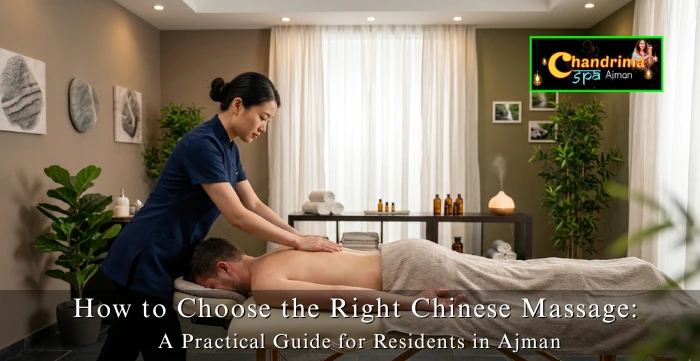
Think of Acupressure massage as acupuncture without the needles. The therapist uses thumbs, fingers, palms, and even elbows to apply precise pressure to specific points on the meridian lines. Each point corresponds to an organ system or a particular type of tension.
People who are uncomfortable with needles but want the benefits of acupuncture often turn to acupressure. It can be incredibly effective for headaches, digestive issues, anxiety, and hormonal imbalances.
Best for: Headaches, hormonal balance, digestive discomfort, anxiety, insomnia
TCM Massage and Meridian Massage: Holistic Body Balancing
TCM massage is a broad term that refers to any bodywork grounded in the principles of Traditional Chinese Medicine. Meridian massage specifically focuses on the 12 primary energy channels (meridians) that run through the body.
These sessions often combine multiple techniques, including Tui Na, acupressure, and sometimes cupping or herbal oils. The goal is systemic balance, not just spot treatment. If you are dealing with chronic fatigue, low immunity, or hormonal issues, this style is worth exploring.
Best for: Chronic illness support, immune health, full-body energy restoration, hormonal balance
Qi Massage: When Energy Flow Is the Focus
Qi massage is perhaps the most meditative form of Chinese bodywork. Less about physical manipulation and more about sensing and redirecting the body’s energy flow, it often feels subtle, but its effects can be surprisingly strong. Some therapists incorporate breathwork and light visualization techniques alongside the physical touch.
Do not underestimate the gentleness. People often report profound relaxation and emotional release during Qi massage sessions.
Best for: Stress, emotional tension, burnout, spiritual wellness
Shiatsu Massage: The Japanese Cousin of Chinese Massage
Shiatsu is technically a Japanese style, but its roots are firmly in Chinese meridian theory. The word means ‘finger pressure,’ and that is exactly what it involves: sustained, rhythmic pressure applied with fingers, thumbs, and palms along the meridians.
Shiatsu is performed on a mat on the floor with the client fully clothed, which makes it accessible and comfortable for everyone. It is widely loved for its ability to reduce stress, improve posture, and ease chronic tension.
Best for: Posture issues, stress relief, chronic fatigue, anyone who prefers to stay clothed during their session
How to Pick the Right Chinese Massage: A Quick Comparison
Still not sure which one to book? This table breaks it down in plain terms.
| Massage Type | Pressure Level | Best For | Session Length |
| Tui Na | Medium–Firm | Back pain, muscle issues, joint stiffness | 60–90 min |
| An Mo | Light–Medium | Beginners, stress, circulation, sleep | 45–60 min |
| Acupressure Massage | Targeted/Firm | Headaches, anxiety, digestive issues | 30–60 min |
| TCM / Meridian Massage | Varies | Chronic illness, full-body rebalance | 60–90 min |
| Qi Massage | Very Light | Emotional wellness, burnout, deep relaxation | 45–60 min |
| Shiatsu Massage | Medium | Posture, stress, fatigue, clothed sessions | 60 min |
What Are the Real Benefits of Chinese Massage?
Beyond the obvious ‘it feels great,’ Chinese massage offers a wide range of evidence-informed benefits. Here is what regular sessions can do for you:
• Relieves chronic pain: Especially effective for back, neck, and shoulder pain, which are common complaints from desk workers and drivers in the UAE.
• Reduces stress and anxiety: By calming the nervous system and promoting the release of endorphins.
• Improves circulation: Better blood and lymph flow means faster recovery and healthier skin.
• Enhances sleep quality: Many clients report deeper, more restful sleep after regular sessions.
• Supports digestive health: Specific acupressure points are directly linked to gut function.
• Boosts immunity: TCM principles suggest that balanced Qi supports the body’s natural defenses.
• Emotional release: Many people find that tension held in the body is connected to emotional stress. Chinese massage often helps release both.
How Do You Choose the Right Chinese Massage for Your Specific Needs?
Here is a simple three-step process I use to help people figure this out:
Step 1: Identify Your Primary Goal
Are you dealing with a specific physical complaint like back pain or headaches? Go for Tui Na or Acupressure. Are you mostly stressed and burned out? An Mo, Qi massage, or Shiatsu will serve you better.
Step 2: Consider Your Sensitivity to Pressure
If you bruise easily or are new to massage, start with An Mo or Shiatsu. If you want deep work on specific muscle groups, Tui Na is ideal. Acupressure sits somewhere in the middle: targeted but not necessarily full-body intense.
Step 3: Think About Your Comfort Level
Some people feel uncomfortable undressing. Shiatsu and some Qi massage styles are performed fully clothed. If that matters to you, ask your spa in advance.
If you are in Ajman and looking for expert guidance on which style suits you, the team at Chandrima Spa Ajman is genuinely helpful. They have therapists trained in multiple Chinese bodywork traditions and will assess your needs before recommending a session.
Exploring Other Massage Styles Available in Ajman
Chinese massage is not the only world-class option in Ajman. If you want to explore other traditions before deciding, here are some popular alternatives available nearby:
• Indian spa in Ajman – Ayurvedic therapies using warm herbal oils and rhythmic strokes
• Kerala spa Ajman – Traditional Keralite treatments including Abhyanga and Shirodhara
• Thai massage in Ajman – Yoga-style stretching and acupressure on a mat, fully clothed
• Russian spa in Ajman – Invigorating and deep-tissue focused techniques
• Pakistani spa in Ajman – Popular for deep pressure and back-focused relief
If you are near the coast, the Spa in Ajman Corniche options are also worth exploring for a scenic wellness experience. And for those traveling from nearby, the Sharjah Massage Center and Sharjah Spa options also offer excellent services.
Frequently Asked Questions About Chinese Massage in Ajman
1. What is Chinese massage, and how does it work?
Chinese massage is a collection of bodywork techniques rooted in Traditional Chinese Medicine (TCM), including Tui Na, An Mo, Acupressure, and Meridian massage. It works by stimulating specific energy pathways (meridians) and pressure points (acupoints) to unblock Qi, improve circulation, and restore physical balance. At Chandrima Spa Ajman, trained therapists assess your health goals before recommending the most suitable style for your body.
2. Is Chinese massage painful, and what should I expect during a session?
It depends on the technique. Tui Na can involve firm pressure that feels intense on tight muscles, but it should never cause sharp or unbearable pain. An Mo and Qi massage is much gentler. Always communicate with your therapist, especially in a new session. The best spa in Ajman will have therapists who check in with you regularly and adjust pressure based on your comfort.
3. Does Chinese massage help with back pain specifically?
Yes, and this is one area where it genuinely shines. Tui Na, in particular, is widely used in China as a first-line treatment for lower back pain, neck stiffness, and shoulder tension. Acupressure massage also targets specific points that reduce referred pain along the spine. If you have been dealing with chronic back pain, a Chinese massage near you in Ajman could offer meaningful relief.
4. How often should I get a Chinese massage for best results?
For general wellness and stress relief, once or twice a month is a good starting point. If you are working through a specific issue like chronic pain or insomnia, weekly sessions for four to six weeks often yield the best results. Your therapist at a quality Ajman spa massage center will typically outline a recommended schedule during your first consultation.
5. What is the difference between Chinese massage and Swedish massage?
Swedish massage focuses primarily on muscle relaxation through long, flowing strokes designed to ease tension. Chinese massage, on the other hand, works with the body’s energy system, targeting meridians and acupoints to address both physical and energetic imbalances. Swedish massage is great for pure relaxation; Chinese massage is better when you want therapeutic outcomes alongside the relaxation.
6. Who should avoid Chinese massage, and are there any side effects?
People with certain conditions should check with their doctor first: those with blood-clotting disorders, severe osteoporosis, open wounds, or infections should avoid vigorous Chinese massage. Pregnant women should only receive massage from a therapist trained in prenatal care. As for side effects, mild soreness, fatigue, or increased thirst after a session are normal and typically pass within 24 hours.
Curious About Other Massage Styles? We Have the Answers
Choosing the right massage can feel overwhelming, especially with so many options available across different cultural traditions. Whether you are curious about the differences between Chinese and Thai bodywork, wondering whether Ayurvedic oil massage suits you better, or simply want to understand what happens during a full-body TCM session, we have put together a detailed FAQ resource just for that.
Visit our dedicated Massage FAQ page for in-depth answers about every massage style we offer, including Tui Na, Shiatsu, Meridian massage, Qi massage, and more. It is a great read before your first booking, especially if you want to walk into your session knowing exactly what to expect.
Final Thoughts: Your Body Deserves the Right Massage
Here is the bottom line. Chinese massage is not a one-size-fits-all treatment. It is a sophisticated system of bodywork that has been helping people manage pain, stress, and energy imbalances for millennia. The key is matching the right technique to your specific needs, and now you have the knowledge to do exactly that.
Whether you are drawn to the vigorous targeted work of Tui Na, the meditative gentleness of An Mo, the pinpoint precision of Acupressure, or the energetic flow of a full Qi or Meridian session, there is a Chinese massage style that is perfect for where your body is right now.
If you are ready to book your first (or next) session, Chandrima Spa Ajman offers a full range of authentic Chinese massage therapies delivered by experienced therapists. We are open 24 hours, which means you can walk in whenever your schedule allows. No waiting, no compromises.
To get in touch or check availability, visit our Ajman massage center WhatsApp number contact page and send us a message. Your ideal session is closer than you think.