

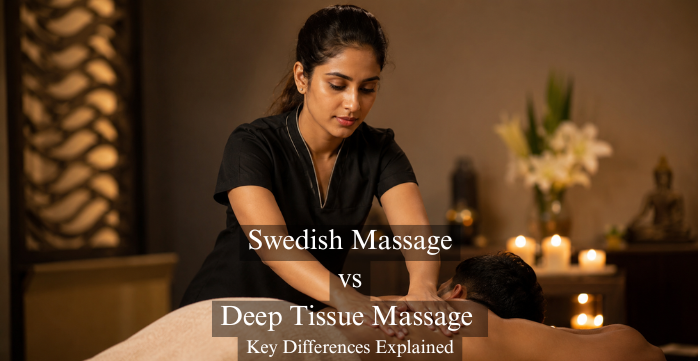
Picture this: you have had a brutal week, your shoulders feel like concrete, and you are scrolling through every Massage Spa Ajman option you can find, wondering which treatment will actually fix you. Should you go soft and soothing, or deep and no-nonsense? That is exactly what we are untangling today. Whether you are after a gentle escape at a luxury spa, or a firm, targeted fix for that knot between your shoulder blades, understanding Swedish Massage and Deep Tissue Massage will save you an awkward “wait, why does this hurt?” moment on the table. Grab a cup of tea, get comfortable, and let us break it down together – no jargon, no fluff, just the honest differences you actually need to know.
What Is a Swedish Massage and How Does It Feel?
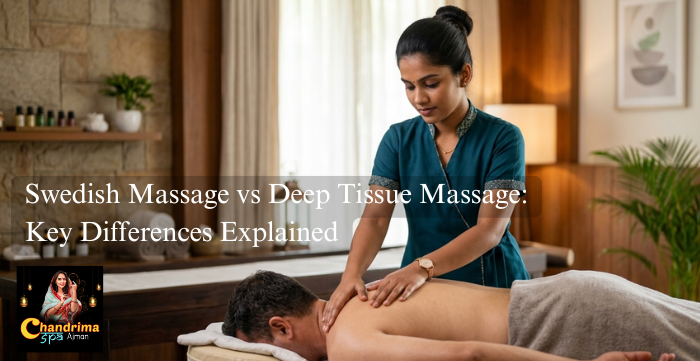
A Swedish Massage is the gentle giant of the massage world. Long, flowing strokes, light kneading, and soft circular movements glide over your skin, usually with warm oil, to melt away everyday tension. It is the treatment most people picture when they hear the word “massage,” and honestly, it earns that reputation.
The Swedish massage techniques focus on improving blood flow, easing surface-level muscle tightness, and calming your nervous system. Think of it as a reset button for your body. You will not walk out feeling like you survived a workout; you will walk out feeling like you just woke up from the best nap of your life. It is a favourite for people dealing with everyday stress, poor sleep, or simply the desire to unplug for an hour.
What Is a Deep Tissue Massage and How Is It Different?
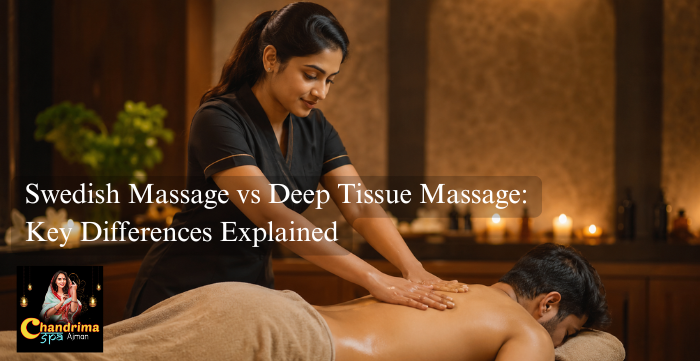
Now flip the script. A Deep Tissue Massage is not here to lull you to sleep; it is here to work. Using slower strokes and firmer, more concentrated pressure, this style reaches the deeper layers of muscle and connective tissue, the ones holding onto old injuries, bad posture, or that knot you have blamed on “sleeping wrong” for the past three months.
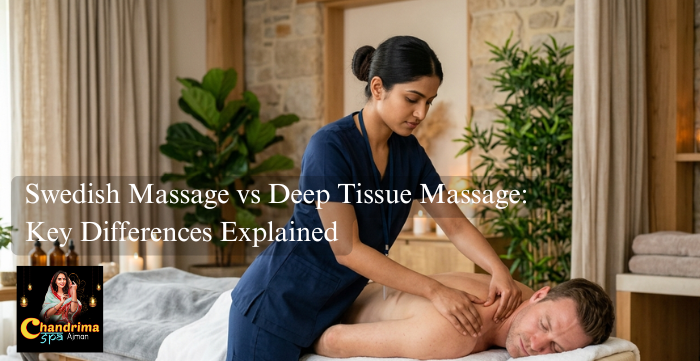
If you are searching for real Body massage in Ajman that goes beyond surface relaxation, this is usually the treatment people mean. It is a hands-on, no-shortcuts approach, and it genuinely helps with chronic tightness, sports-related soreness, and stiffness from long hours at a desk. It takes a bit more communication with your therapist, but the payoff, looser muscles and real relief, is worth the honest conversation.
Swedish vs Deep Tissue Massage: Side-by-Side Comparison
Sometimes a table says it better than a paragraph ever could. Here is the quick, no-nonsense breakdown so you can decide in ten seconds flat.
| Aspect | Swedish Massage | Deep Tissue Massage |
| Pressure level | Light to medium, gliding strokes | Firm, focused pressure on deeper muscle layers |
| Main goal | Relaxation and stress relief | Releasing chronic tension and muscle knots |
| Feel during session | Smooth, soothing, almost sleep-inducing | Intense in spots, but should never be unbearable |
| Soreness after | Rare, mostly just a light-headed calm | Mild soreness for a day or two is normal |
| Best for | First-timers, stress, poor sleep, general wellness | Athletes, desk workers, old injuries, stubborn knots |
| Session length | 60–90 minutes on average | 45–90 minutes, sometimes shorter and more targeted |
Which Massage Is Better for Relaxation, and Which Is Better for Chronic Pain?
Here is the honest, unglamorous truth: there is no universal “best” massage, only the best one for what your body needs right now. If your goal is pure calm, lower stress, and a mental reset, Swedish massage for relaxation benefits are hard to beat, it is designed almost entirely around your comfort.
But if you are nursing a stiff lower back, a tight neck from hours of screen time, or an old sports injury that keeps flaring up, deep tissue massage pain relief is the more logical route. The Swedish massage benefits lean toward mood, sleep, and stress hormones, while deep tissue massage benefits lean toward mobility, muscle recovery, and long-term tension release. Many regulars actually alternate between both, depending on the week they have had.
Is Deep Tissue Massage Painful, and Is Soreness Normal Afterward?
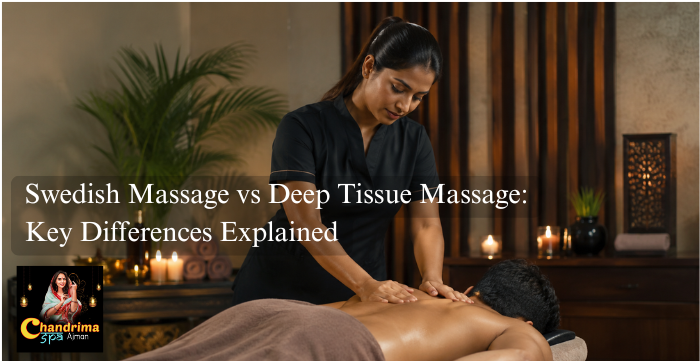
Let us clear up a common myth: deep tissue massage should feel firm and focused, not agonising. A good therapist works within your comfort threshold and checks in as they go. That said, deep tissue massage soreness after a session is genuinely normal, similar to how your legs feel after a first gym session in months.
● Mild soreness for 24 to 48 hours is expected, especially around tight or overworked areas.
● Drinking water afterward helps flush out the metabolic waste released during the massage.
● A warm shower or light stretching can ease residual tightness the next day.
● If pain feels sharp, sudden, or lasts beyond a couple of days, that is worth mentioning to your therapist.
How Long Does Each Massage Session Usually Last?
A Swedish massage session usually runs 60 to 90 minutes, giving your body plenty of time to unwind fully. Deep tissue sessions can range from 45 to 90 minutes, sometimes shorter if the therapist is focusing on one or two specific problem areas rather than a full-body treatment.
How Often Should You Get Swedish or Deep Tissue Massage for Best Results?
For general stress relief, a Swedish massage every two to four weeks keeps most people feeling balanced. Deep tissue work is more situational, weekly or biweekly sessions during an active recovery period, then tapering down to monthly maintenance once the tightness eases up. Your body will usually tell you when it is time to book again.
Are There Any Medical Conditions or Contraindications for Deep Tissue Massage?
Yes, and this part matters. Deep tissue massage is generally not recommended if you have a fever, an active infection, uncontrolled blood pressure, blood clotting disorders, recent fractures, or if you are in the early stages of pregnancy without medical clearance. It is also wise to be cautious around recent surgical sites or areas with unexplained swelling.
None of this means you should self-diagnose from a blog post; if you have any ongoing medical condition, a quick chat with your doctor before booking is always the safer move.
Can a Beginner Start with Deep Tissue Massage, or Should They Try Swedish First?
There is no strict rule here, but most therapists gently nudge first-timers toward Swedish massage. It lets your body get used to being touched and worked on before jumping into firmer pressure. That said, if you already know exactly which muscle is bothering you and you communicate clearly, starting with a lighter deep tissue session is perfectly fine too.
What Should You Tell Your Therapist Before a Swedish or Deep Tissue Session?
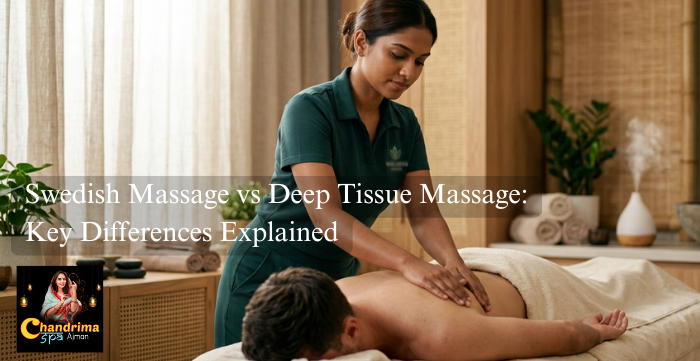
● Any current pain, injuries, or areas that feel especially tight or sensitive.
● Your pressure preference, and do not be shy about adjusting it mid-session.
● Medical conditions such as pregnancy, high blood pressure, or recent surgeries.
● Whether you would prefer to skip a particular area, like the face or feet.
Do Swedish and Deep Tissue Massages Use Different Oils, Lotions, or Techniques?
Generally, yes. Swedish sessions tend to use more oil, since long gliding strokes need a smooth, slippery surface to move easily across the skin. Deep tissue work often uses a bit less oil, or a thicker lotion, so the therapist’s hands, forearms, or elbows can maintain firm contact and really work into the muscle without slipping. Swedish massage techniques explained simply: glide, knead, and circle. Deep tissue techniques: press, hold, and release, layer by layer.
How Do the Benefits Compare Between the Two?
Both styles improve circulation, but they get there differently. Swedish massage encourages relaxation-driven blood flow and lowers stress hormones, while deep tissue massage physically works out restrictions in muscle and fascia, which can improve flexibility and range of motion over time. Stress relief is stronger with Swedish; structural, long-term muscle relief leans toward deep tissue.
Exploring More Massage Options Around Ajman and Sharjah
If neither Swedish nor deep tissue feels like the exact fit, there is a whole world of styles worth exploring. From an Indian spa in Ajman to a Thai massage in Ajman, a Russian spa in Ajman, or even a Kerala spa Ajman style treatment, the variety is genuinely wide. If you are closer to the coast, a Sharjah Spa or Sharjah Massage Center is also within easy reach. And if convenience is the priority, the massage Ajman options near you are usually just a short drive away.
Frequently Asked Questions
What Is a Swedish Massage and How Does It Feel?
It is a gentle, flowing treatment using long strokes and light kneading to relax your whole body. Most people describe it as calming, almost like drifting off mid-session. At Chandrima Spa Ajman, it is one of the most requested treatments for pure stress relief.
Which Massage Is Better for Chronic Muscle Pain or Injury Recovery Near Me?
Deep tissue massage is generally the better choice for chronic pain, tight muscles, or old injuries, since it works deeper into the tissue. If you are searching “massage near me” in Ajman for pain relief specifically, ask for a deep tissue session and mention the exact problem area.
Is Deep Tissue Massage Painful, and Is Soreness Normal Afterward?
It should feel firm, not painful, and any soreness afterward is usually mild and short-lived, similar to post-workout stiffness. If a session ever feels sharply painful, tell your therapist immediately so the pressure can be adjusted.
How Often Should I Get Swedish vs Deep Tissue Massage in Ajman?
Swedish massage works well every two to four weeks for general relaxation. Deep tissue is more effective when booked weekly or biweekly during periods of active tension, then spaced out once things ease up. Many guests at Chandrima Spa Ajman simply alternate based on how their week has gone.
Are There Any Contraindications Before Booking a Massage Spa Ajman Session?
Yes, conditions like fever, active infection, uncontrolled blood pressure, or recent surgery usually mean it is best to wait or get medical clearance first. Always mention any health concerns when booking so the therapist can tailor the session safely.
Can I Book a 24-Hour Massage Center Ajman Session for Either Style?
Yes, that is one of the advantages of a spa built around flexible hours. Whether you need a late-night Swedish massage after a long flight or an early deep tissue session before work, a 24-hour setup means you are not stuck waiting for a slot that fits your schedule.
Still curious about how these treatments compare to other styles, like Arabic or Thai massage? Our full massage FAQ guide breaks down even more techniques, so you can walk into your next appointment knowing exactly what to ask for.
Final Thoughts: So, Which One Should You Choose?
At the end of the day, this is not really a competition, Swedish and deep tissue massage are just two different tools for two different jobs. Need to unwind, sleep better, and hit pause on a stressful week? Swedish is your answer. Fighting a stubborn knot, an old injury, or tension that will not quit? Deep tissue is the more direct route. And if you genuinely cannot decide, that is completely normal too; a good therapist at Chandrima Spa Ajman can even blend the two into one session tailored around what your body needs that day.
Ready to stop guessing and start feeling better? Book your next session, mention what is bothering you, and let a professional therapist guide you to the right treatment. Your shoulders will thank you.