



Introduction: Why Your Muscles Are Screaming for Help
Picture this: You’ve just finished another brutal week of back-to-back meetings, hunched over your laptop like some modern-day desk gargoyle. Your shoulders feel like concrete blocks, and that nagging pain in your lower back? Yeah, it’s become your unwanted companion. Sound familiar?
Here’s the thing I’ve been there. And let me tell you, discovering deep tissue massage was like finding water in a desert. But not just any massage center will do. If you’re hunting for the real deal in Ajman, you need a place that understands the science behind those stubborn knots and actually knows what therapeutic deep massage means.
That’s where finding the right massage center Ajman becomes crucial. You’re not looking for some fluffy spa day with cucumber water you need serious muscle work. Whether you’re dealing with sports injuries, chronic pain, or just the accumulated stress of adulting in the UAE, a proper body massage can literally change your life. Trust me on this one.
Now, before you start Googling “cheap massage in Ajman” at 2 AM (we’ve all been there), let me walk you through everything you need to know about deep tissue therapy. Because honestly? Not all massage therapy is created equal, and your poor muscles deserve better than trial and error.
What Is Deep Tissue Massage? (And Why Everyone’s Talking About It)
Alright, let’s get real for a second. Deep tissue massage isn’t your typical “relaxing spa experience” where you drift off into dreamland while someone gently rubs lotion on your back. Nope. This is the heavyweight champion of therapeutic massage the kind that digs deep into your muscle layers and says, “We’re fixing this today.”
Think of it as targeted muscle warfare. Your therapist uses slow, deliberate strokes and deep pressure to reach those inner layers of muscles and connective tissue. We’re talking about fascia release massage here breaking up scar tissue, releasing chronic muscle tension, and basically telling your knots to pack their bags and leave.
The beauty of deep pressure massage lies in its precision. Unlike Swedish massage (which is lovely, don’t get me wrong), deep tissue work focuses on specific problem areas. Got a frozen shoulder? There’s a technique for that. Chronic lower back pain making you walk like you’re 90? Yep, deep tissue therapy can address that too.
What makes this technique stand out at places like the best spa in Ajman is the methodology. Therapists work across the grain of your muscles, using their fingers, knuckles, elbows, and even forearms to apply concentrated pressure. It’s like having a conversation with your muscles sometimes uncomfortable, but always necessary.
And here’s something most people don’t realize: injury recovery massage through deep tissue work isn’t just about feeling better temporarily. It actually promotes healing by increasing blood flow, reducing inflammation, and helping your body flush out toxins. Science, baby!
Look, I get it. When someone mentions “deep tissue,” you might think “ouch.” But here’s the kicker while it can be intense, it shouldn’t be torture. A skilled therapist at a proper spa in Ajman knows exactly how much pressure to apply. They work with your body, not against it.
Does Deep Tissue Massage Hurt? The Honest Truth
Okay, let’s address the elephant in the massage room. Does it hurt? Well… it’s complicated. Here’s my take after experiencing more deep tissue sessions than I can count: it’s not pain it’s intense sensation. There’s a difference, I promise.
Think about it like this: when you stretch a tight muscle, it’s uncomfortable but in a “good hurt” kind of way, right? That’s exactly what muscle deep massage feels like. You might wince a little when they hit that particularly stubborn knot, but it’s the kind of discomfort that makes you think, “Yes, that’s the spot!”
Here’s what you should know: during a proper massage therapy session, you should feel pressure sometimes significant pressure but never sharp, shooting pain. That’s your body’s alarm system, and any decent massage center in Ajman will tell you to speak up if something feels wrong.
I learned this the hard way during my first deep tissue experience. I thought being tough meant enduring extreme pain. Spoiler alert: I was wrong. A good therapist wants feedback. They need to know if they’re working at your sweet spot that perfect balance between “oh yeah, that’s it” and “okay, maybe ease up a bit.”
What about after? Well, here’s where it gets interesting. You might feel a bit sore the next day, similar to post-workout soreness. That’s actually a good sign it means your muscles are responding and healing. Think of it as your body saying, “Thanks for finally addressing that issue I’ve been screaming about for months.”
At quality establishments offering massage spa services, therapists know how to gauge pressure. They start gentler and build up, giving your muscles time to relax and respond. It’s like warming up before a workout you don’t go from zero to hundred instantly.
What Happens During a Deep Tissue Massage Session at Chandrima Spa Ajman?
Let me paint you a picture of what actually goes down when you book a session. First off, forget everything you’ve seen in movies where someone just hops on a table and boom instant massage magic. Real therapeutic massage is way more methodical.
When you walk into Chandrima Spa Ajman (fun fact: they’re open 24 hours, which is clutch for those of us with weird schedules), your therapist kicks things off with a consultation. They’re not being nosy they genuinely need to know about your pain points, medical history, and what you’re hoping to achieve. This isn’t just small talk; it’s essential intel for your treatment.
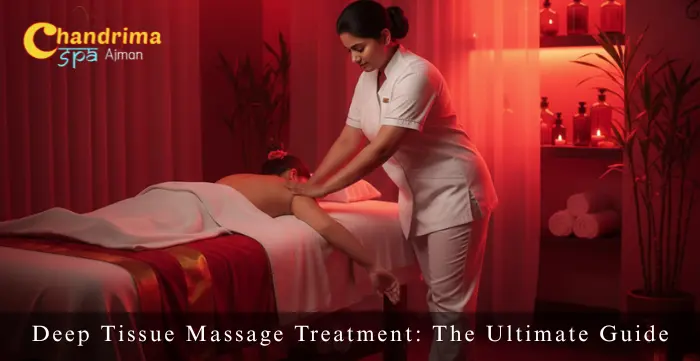
Here’s how a typical full body massage session unfolds. You’ll get privacy to undress to your comfort level and settle onto the massage table. Pro tip: most people go down to their underwear, but you’re always draped with sheets no awkward exposure here.
The therapist starts with lighter pressure using Swedish massage techniques to warm up your muscles. Think of it as the opening act before the main event. This isn’t wasted time it’s crucial for preparing your tissues for the deeper work ahead. Your muscles need to relax first, or else the deep pressure won’t be nearly as effective.
Then comes the real deal. Using their fingers, knuckles, forearms, and elbows, they work methodically through your problem areas. For a back massage focused on chronic tension, they might spend 20-30 minutes just on your upper back and shoulders. That’s the kind of attention to detail you get at a professional massage center.
What’s fascinating is the technique. They’re not just pressing randomly they’re following the direction of your muscle fibers, working across the grain to break up adhesions and increase blood flow. It’s like untangling a really complicated knot, but in your muscles. Sometimes you’ll feel them pause on a particularly tight spot, applying sustained pressure until you feel that knot release. That moment? Pure bliss.
Communication is huge during this. Your therapist should be checking in regularly: “How’s the pressure?” “Too much?” “Can you feel that releasing?” This isn’t a one-sided thing you’re both working together toward better muscle health.
Sessions typically run 60 to 90 minutes, though some places offer extended treatments. At Chandrima Spa Ajman, they tailor the timing based on your needs. Sometimes an hour is perfect; other times, you need that full 90 minutes to really address everything.
After the massage, don’t just leap up and sprint back to reality. Take a minute. Your therapist might offer water (drink it hydration helps flush out toxins released during the massage) and give you aftercare tips. This is gold, so listen up.
Who Should Get Deep Tissue Massage?
Here’s the thing: if you have muscles (spoiler you do), you could probably benefit from deep tissue work. But let’s get specific because some folks need this more urgently than others.
Athletes and fitness enthusiasts this one’s a no-brainer. Whether you’re hitting the gym six days a week or training for marathons, your muscles take a beating. Deep tissue massage helps with recovery, prevents injuries, and keeps you performing at your best. Think of it as maintenance for your body’s engine.
Desk warriors, unite! If you spend eight hours a day staring at screens with posture that would make your mother weep, you’re a prime candidate. That neck pain, those shoulder knots, the lower back tension all perfect targets for therapeutic deep massage. Seriously, your future self will thank you.
People dealing with chronic pain conditions absolutely should consider this. Fibromyalgia, arthritis, repetitive strain injuries deep tissue therapy can provide significant relief. It’s not a cure-all (let’s be realistic), but it can dramatically improve your quality of life.
Recovery from injuries? This is where injury recovery massage shines. Whether you’ve had a sports mishap, car accident, or just lifted something stupidly heavy, deep tissue work helps break down scar tissue and restore proper movement patterns.
And honestly, even if you’re just stressed out of your mind from life in general, this helps. When you’re stressed, your muscles tense up. Prolonged tension leads to knots. Knots lead to pain. Pain leads to more stress. It’s a vicious cycle that massage service can help break.
But real talk there are some situations where you should pump the brakes. If you’re pregnant, have blood clots, osteoporosis, or recent surgery, check with your doctor first. A responsible massage center will always ask about these things. Safety first, people.
What Are the Benefits of Deep Tissue Massage? (Prepare to Be Amazed)
Okay, buckle up because the benefits list is longer than your grocery receipt. And unlike that receipt, these benefits actually make you feel better about spending money.
Physical Benefits That’ll Make Your Body Happy
• Pain relief that actually lasts: Unlike popping painkillers, which just mask symptoms, deep tissue massage addresses the root cause. Whether it’s chronic back pain, neck tension, or shoulder issues, regular sessions at a quality Spa in Ajman or Ajman location can provide lasting relief.
• Improved mobility and flexibility: Remember when touching your toes wasn’t a Herculean task? Deep tissue work helps restore range of motion by breaking up adhesions and lengthening tight muscles. It’s like hitting the reset button on your body.
• Better posture: All that hunching over laptops creates muscle imbalances. Therapeutic massage helps correct these by releasing overworked muscles and strengthening weak ones. Stand tall, people!
• Faster injury recovery: Whether you’re healing from a sports injury or post-surgery, deep tissue massage increases blood flow to damaged areas, speeds up healing, and reduces scar tissue formation. Science backs this up it’s not just feel-good fluff.
• Lower blood pressure: Studies show that regular deep tissue sessions can actually reduce blood pressure. Your heart will literally thank you. How cool is that?
Mental and Emotional Benefits (Yes, Really)
• Stress reduction: When your muscles relax, your mind follows. It’s like hitting the refresh button on your entire system. After a good massage spa session, the world just seems more manageable.
• Better sleep: Chronic tension keeps you from sleeping deeply. Release that tension, and suddenly you’re sleeping like a baby. No more 3 AM ceiling-staring sessions.
• Mood boost: Massage triggers the release of oxytocin and serotonin your body’s natural happy chemicals. It’s like a hug from the inside. Who doesn’t want that?
• Reduced anxiety: The combination of physical relief and mental relaxation works wonders for anxiety. Regular massage therapy can be a powerful tool in your mental health toolkit.
The best part? These benefits compound over time. One session feels great, but regular treatments create lasting change. Think of it as an investment in your long-term wellbeing. Whether you’re visiting an Indian spa in Ajman, Kerala spa Ajman, or any professional massage center in Ajman, consistency is key.
Deep Tissue vs Swedish Massage: What’s the Real Difference?
Let me settle this debate once and for all because I see people getting confused about this all the time. It’s like comparing espresso to regular coffee both involve coffee beans, but the experience is totally different.
Swedish massage is your go-to for relaxation. We’re talking gentle, flowing strokes that make you want to take a nap right there on the table. It’s all about promoting circulation and easing surface tension. Perfect for unwinding after a stressful week or when you just need some self-care time.
Deep tissue massage? That’s when you mean business. The pressure is significantly firmer, the strokes are slower and more deliberate, and the focus is on reaching those deeper muscle layers. While Swedish massage works the superficial muscles, deep tissue digs into the underlying structure your fascia, tendons, and the tough stuff that regular massage barely touches.
Here’s a practical way to think about it: Swedish massage is like a gentle warm-up stretch, while deep tissue is like doing serious mobility work with a foam roller but way more effective and someone else is doing the work for you.
The techniques differ too. Swedish massage uses long, gliding strokes called effleurage, kneading, and circular movements. It’s rhythmic and soothing. Deep tissue employs friction, stripping (working along muscle fibers), and trigger point pressure. Sometimes your therapist might use their elbows or forearms for leverage that’s not happening in Swedish massage.
Intent matters here. Swedish massage aims to relax your entire body and improve overall circulation. Deep tissue massage targets specific issues: that stubborn knot between your shoulder blades, chronic lower back pain, or restricted movement in your hip. It’s problem-solving bodywork.
Can you combine them? Absolutely! Many therapists at places offering massage near me services start with Swedish techniques to warm up your muscles, then transition into deeper work. It’s like having an appetizer before the main course smart and effective.
So which one should you choose? If you’re dealing with chronic pain, sports injuries, or specific problem areas, go deep tissue. If you just want to relax and de-stress without targeting particular issues, Swedish is your friend. And honestly? Alternating between both can be the sweet spot.
How Often Should You Get Deep Tissue Massage?
The million-dirham question, right? And like most things in life, the answer is: it depends. But don’t worry, I’ll give you better guidance than that cop-out response.
For active pain management like if you’re currently dealing with a specific injury or chronic condition weekly sessions make sense. Your body needs consistent work to break through those stubborn patterns. Think of it like physical therapy; you wouldn’t skip sessions and expect the same results, right?
Once you’ve got things under control, bi-weekly or monthly maintenance sessions work great. This keeps problems from creeping back in. I learned this the hard way stopped regular massages thinking I was “fixed,” and boom, three months later, all my old issues returned with a vengeance.
Athletes or people with physically demanding jobs might benefit from weekly or bi-weekly sessions. Your muscles take more abuse, so they need more attention. It’s not indulgent; it’s practical maintenance. Like changing the oil in your car you do it regularly to prevent bigger problems.
For stress management and general wellness? Monthly sessions hit the sweet spot. It’s often enough to keep tension from building up but spaced out enough that it’s sustainable long-term.
Budget considerations are real, I get it. Here’s the thing though if you’re choosing between getting a massage once a month versus splurging on other stuff, consider this: your body is the only one you’ve got. Investing in its maintenance is smarter than most purchases you’ll make. Plus, many massage centers offer package deals that make regular sessions more affordable.
Listen to your body too. If you’re sore for more than 2-3 days after a session, you might be going too frequently or the pressure might be too intense. Your therapist at Chandrima Spa Ajman or any reputable body massage center should help you find your optimal frequency.
Can Deep Tissue Massage Help with Injuries or Chronic Pain?
Short answer? Absolutely. Long answer? Let me explain why this isn’t just wishful thinking there’s actual science backing this up.
When you’re injured, your body forms scar tissue as part of the healing process. It’s like your body’s duct tape functional but not exactly elegant. This scar tissue can restrict movement, cause pain, and create compensatory patterns where other muscles work overtime to pick up the slack.
Deep tissue massage breaks down these adhesions mechanically. The sustained pressure and specific techniques literally help reorganize the tissue structure, making it more pliable and functional. It’s like smoothing out wrinkles in fabric the material is still there, but it works better.
For chronic pain conditions like fibromyalgia, arthritis, or persistent back pain, deep tissue work addresses both the symptoms and some underlying causes. It improves blood flow to affected areas, which means more oxygen and nutrients reaching damaged tissues. More blood flow also means better waste removal think of it as taking out your body’s trash.
The neurological component is fascinating too. Chronic pain often involves your nervous system getting stuck in a hyperactive state constantly sending pain signals even when the original injury has healed. Knot relief massage helps calm this down, essentially teaching your nervous system to chill out.
I’ve seen people with years-long pain issues experience significant relief after committing to regular sessions at a proper massage center Sharjah or Ajman location. One friend had rotator cuff issues that doctors said would require surgery. After three months of bi-weekly deep tissue work combined with physical therapy? Surgery canceled. Not everyone’s story ends like that, but it’s not rare either.
Important caveat: deep tissue massage works best as part of a comprehensive approach. Combine it with proper exercise, stretching, good posture habits, and any other treatments your healthcare provider recommends. It’s a powerful tool, but it’s not magic it works best when you support it with other healthy choices.
For acute injuries, timing matters. Wait until you’re past the initial inflammatory phase usually a few days after injury. Jumping straight into deep tissue work too soon can actually make things worse. Your therapist at places offering massages in Sharjah or massage therapy near me should know this, but if you’re unsure, check with your doctor first.
What Should You Do After a Deep Tissue Massage?
Okay, so you’ve just had an amazing session. Your muscles feel like they’ve been through a transformation, and you’re walking out feeling like a new person. Don’t blow it by immediately doing something dumb. Post-massage care matters more than people think.
First things first: hydrate like your life depends on it. I’m talking water, not coffee, not energy drinks plain water. Deep tissue massage releases toxins and metabolic waste that’s been trapped in your muscles. You need to flush that stuff out, and water is your best friend here. Aim for at least 8-10 glasses over the next 24 hours.
Resist the urge to hit the gym immediately after. I know some people feel so good they want to test their new mobility, but trust me give your body rest. Your muscles just went through serious work. They need recovery time. Light walking? Fine. Intense CrossFit session? Bad idea.
Take it easy for the rest of the day. This doesn’t mean becoming a couch potato forever, but maybe skip the heavy lifting or intense physical activity for at least 24 hours. Think of your body like a phone that just got a major software update it needs time to integrate all the changes.
A warm bath or shower feels amazing post-massage. The heat helps continue the relaxation process and can ease any soreness. Add some Epsom salt if you’re fancy it helps with muscle recovery and feels luxurious. Just don’t make it too hot; you’re not trying to cook yourself.
About that soreness yeah, it’s probably coming. Don’t panic. This is normal and actually a sign that your body is healing and adjusting. It’s similar to post-workout soreness (DOMS if we’re being technical). It should peak around 24-48 hours after your session and then fade. If it doesn’t improve after three days or gets worse, call your massage therapist.
Gentle stretching can help. Not aggressive yoga poses just easy, comfortable stretches that feel good. Listen to your body. If something feels wrong, stop. You’re not trying to prove anything here.
Skip alcohol for at least 24 hours. I know, I know you want to relax with a drink. But alcohol dehydrates you and puts extra stress on your liver, which is already working to process all those released toxins. Save the celebration drink for another day.
If you’re experiencing significant discomfort, use ice (not heat) for 10-15 minutes at a time. This can help with any inflammation. The therapists at Chandrima Spa Ajman or your chosen spa near me location should give you specific aftercare instructions based on your treatment. Follow them.
Pay attention to how you feel over the next few days. This information is gold for your next session. Notice what improved, what still bothers you, how long the soreness lasted share all this with your therapist next time. It helps them tailor future treatments to your needs.
Is Deep Tissue Massage Safe for Everyone?
Real talk? While deep tissue massage is incredibly beneficial for most people, it’s not a free-for-all. There are some situations where you need to either skip it entirely or get clearance from your doctor first.
If you’re pregnant, especially in the first trimester, be cautious. Deep tissue work, particularly on certain areas like the abdomen and lower back, needs to be avoided or significantly modified. Many spas offer pregnancy-specific massage, which is a much safer bet. Always mention pregnancy during your consultation.
People with blood clotting disorders or those taking blood thinners this is important. Deep tissue massage can increase the risk of bleeding or bruising. If you’re on medications like warfarin or have conditions like hemophilia, get your doctor’s approval first. Seriously, don’t skip this step.
Osteoporosis or other bone conditions require careful consideration. The deep pressure used in this type of massage could potentially cause fractures in weakened bones. If you have osteoporosis, discuss modified techniques with your therapist. They can adjust their approach while still providing therapeutic benefit.
Recent surgery or open wounds are obvious no-gos. Wait until you’re fully healed. Your body needs to focus its energy on recovery, not dealing with additional stress from deep massage work. Generally, wait at least 6-8 weeks post-surgery, but always check with your surgeon.
If you have a fever, infection, or contagious illness, stay home. Not only could massage spread the infection through your lymphatic system, but you’re also potentially exposing your therapist and other clients. Nobody wants your cold. Reschedule when you’re better.
Cancer patients should always consult their oncologist. While massage can be beneficial during treatment, certain situations (like immediately after chemotherapy or radiation) might require avoiding deep tissue work. Some cancers also make deep massage inadvisable. Your medical team will guide you.
Skin conditions like eczema, psoriasis, or severe acne in the treatment area might need to be avoided. Not only can massage irritate these conditions, but the friction and pressure could potentially spread infection or cause a flare-up. Light massage might be okay, but deep tissue? Probably not.
Here’s something people don’t talk about enough: mental health considerations. If you have a history of trauma, especially physical or sexual trauma, deep tissue massage might be triggering. This doesn’t mean you can’t receive massage it means you need a trauma-informed therapist who understands these issues. Communicate this during your intake. Any decent massage spa near me should take this seriously.
Cardiovascular conditions like heart disease or high blood pressure don’t automatically disqualify you, but your therapist needs to know. They might modify pressure or avoid certain techniques that could strain your cardiovascular system. Being upfront about these conditions keeps you safe.
The bottom line? A responsible therapist at any professional establishment whether it’s a Pakistani spa in Ajman, Russian spa in Ajman, Thai massage in Sharjah location, or anywhere else will conduct a thorough intake consultation. Answer honestly. This isn’t about judging you; it’s about keeping you safe and providing the best possible care.
How Long Does Soreness Last After Deep Tissue Massage?
Let’s address the aftermath because this concerns people more than they admit. That post-massage soreness is real, and understanding what to expect helps you not freak out when it hits.
Typically, you’ll feel fine immediately after maybe even great. That’s the endorphin high talking. But 12-24 hours later? Hello, soreness. It’s like your muscles are saying, “Hey, remember us? We just went through a workout.” Because that’s essentially what happened your muscles got worked.
For most people, the soreness peaks around the 24-48 hour mark and starts fading by day three. By day four or five, you should be feeling better than you did before the massage. That’s the goal short-term discomfort for long-term improvement.
The intensity varies based on several factors. First-timers often experience more soreness than regular massage-goers. Your body isn’t used to this level of work. It’s like starting a new workout routine the first session always hits harder than subsequent ones.
How much tension you had going in matters too. If your muscles were seriously knotted up, the therapist had to do more work to address those issues. More work equals more temporary soreness. Think of it as the cost of admission for actual improvement.
The pressure level during your session plays a huge role. If you stoically endured too much pressure because you thought being tough was admirable (I’ve been there), you’ll pay for it later. This is why communication during the session is crucial. Speak up!
Your hydration status makes a difference. Dehydrated muscles recover slower and hurt more. If you weren’t drinking enough water before your massage and didn’t hydrate properly after, expect more soreness. This is fixable just chug water.
What you do post-massage affects recovery time. Rest, gentle movement, proper hydration these all help minimize soreness duration. Go run a 10K the next day? You’re asking for trouble. Your recovery choices matter.
Here’s when to worry: if soreness is severe (like, can’t-move-without-grimacing severe), lasts more than four days, or is accompanied by bruising, numbness, or sharp pain, contact your therapist. That’s not normal. Good massage therapy shouldn’t cause that level of distress.
With regular sessions, soreness typically decreases. Your body adapts, your muscles get healthier, and the therapist doesn’t need to work as hard to achieve results. It’s one of those situations where it gets easier with consistency.
Managing the soreness is straightforward: stay hydrated, move gently (walking is great), use heat (warm bath or heating pad), and be patient. Over-the-counter pain relievers are fine if needed, but honestly, they’re usually unnecessary if you follow proper aftercare.
Remember, this soreness is different from injury pain. It should be dull and achy, not sharp or stabbing. It should improve day by day, not worsen. If you’re unsure about what you’re feeling, trust your gut and reach out to your therapist. They want to know if something seems off.
Specialized Deep Tissue Techniques: Beyond the Basics
Once you’re hooked on deep tissue massage (and you will be), you might hear about some variations that sound intriguing. Let me break down what’s out there and what might work for you.
Four Hands Massage: Double the Therapists, Double the Relief
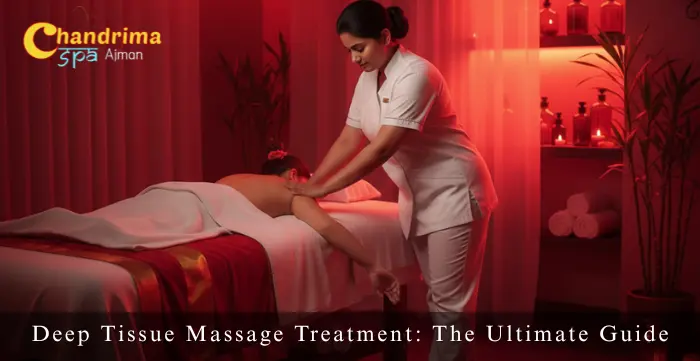
Also called a sandwich massage or dual therapist massage, this involves two therapists working on you simultaneously. Before you think this is just extra indulgence, hear me out there’s method to this madness.
With two therapists, they can work bilaterally, meaning both sides of your body at once. This creates a unique neurological effect your brain can’t focus on individual sensations when they’re happening simultaneously on both sides. It’s like sensory overload in the best possible way. You just… melt.
The four hand spa massage technique is particularly effective for people with severe tension or those who want to experience deeper relaxation in less time. If you have a single hour but need the benefit of a longer session, this might be your answer. Some luxury spa locations offer this as their signature service.
Sandwich Spa Treatments: Layered Healing
The sandwich spa concept involves layering different treatment modalities. You might start with heat therapy or aromatherapy, move into deep tissue massage, and finish with cold therapy or gentle stretching. It’s called “sandwich” because the massage is wrapped between other therapeutic techniques.
This approach addresses multiple aspects of muscle tension and recovery. The heat prep relaxes tissues before deep work, and the cool-down phase reduces inflammation afterward. Smart spas design these protocols based on what actually works, not just what sounds fancy.
Thai Massage Meets Deep Tissue
Traditional Thai massage already involves deep pressure, but some therapists combine it with Western deep tissue techniques. You get the stretching and energy line work of Thai massage plus the targeted muscle work of deep tissue. It’s like the best of both worlds.
This works especially well for people who need both flexibility improvement and knot release. Athletes love this combination because it addresses multiple performance factors. Look for establishments that specifically mention Thai-Deep Tissue fusion if this interests you.
Couples Massage with Deep Tissue Focus
Who says couples massage has to be fluffy and romantic? Some places offer couples deep tissue sessions. You and your partner get serious muscle work done side by side. It’s bonding through shared therapeutic experience plus you can compare notes afterward about who had more knots.
This is practical for couples who are both active, have similar pain issues, or just want to prioritize wellness together. It’s like going to the gym together, except someone else does the work and you feel amazing after.
Finding the Right Deep Tissue Massage Center in Ajman
Okay, so you’re convinced about deep tissue massage. Great! Now comes the crucial part: finding a place that actually knows what they’re doing. Because let’s be honest not all massage centers are created equal, and choosing poorly can range from disappointing to actually harmful.
First, check credentials. Are the therapists actually trained? Do they have certifications? In the UAE, proper licensing matters. Don’t be shy about asking any legitimate establishment will proudly share their therapists’ qualifications. If they’re dodgy about this, that’s a red flag bigger than a parade float.
Experience with deep tissue specifically is crucial. Someone might be great at gentle relaxation massage but have no clue about therapeutic deep work. During your initial consultation, ask about their approach to chronic pain, injury recovery, and specific techniques they use. Their answers will tell you everything.
Cleanliness is non-negotiable. I don’t care how skilled the therapists are if the place looks sketchy or smells weird, walk out. Check the massage rooms, bathrooms, and general facility. Are the sheets fresh? Is equipment sanitized? These aren’t minor details; they’re health and safety basics.
Communication style matters more than people realize. A good therapist listens to your concerns, asks relevant questions, and explains their treatment plan. They should be checking in during the session about pressure levels and comfort. If they’re just going through motions without engaging, that’s not good enough.
Convenience factors in when you’re committing to regular sessions. Consider location, parking, hours of operation. A 24-hour spa like Chandrima Spa Ajman works great for people with irregular schedules or those who want flexibility. If you’re searching for “massage spa near me” at midnight because you’re desperate for relief, knowing you have options helps.
Pricing transparency is important. Hidden fees are annoying and unprofessional. While you don’t want to choose based solely on finding the cheap massage in Ajman (cheapest rarely means best), you should know exactly what you’re paying and what’s included. Package deals can offer good value if you’re committing to regular sessions.
Reviews and reputation matter, but read critically. A few negative reviews among hundreds of positive ones? Normal. But if you see consistent complaints about the same issues aggressive sales tactics, unqualified therapists, hygiene problems believe them.
Cultural comfort is a factor for many people. Whether you prefer an Indian spa in Ajman, Kerala spa Ajman, Pakistani spa in Ajman, Russian spa in Ajman, or any other cultural approach, find what makes you comfortable. Relaxation requires feeling safe and at ease, so this isn’t superficial it’s practical.
Accessibility matters too. Can you easily contact them to book? Is there an Ajman massage centre WhatsApp number for convenient scheduling? In 2024, if a business doesn’t have easy booking options, they’re behind the times.
Try a single session first before committing to packages or memberships. This gives you a real feel for the place. Pay attention to everything: how you’re treated at reception, the therapist’s skill level, how you feel afterward, and whether soreness is reasonable or excessive.
Frequently Asked Questions About Deep Tissue Massage
What is deep tissue massage and how does it work?
Deep tissue massage is a therapeutic massage technique that targets the deeper layers of muscle and connective tissue using firm pressure and slow strokes. Unlike gentler massage styles, it focuses on releasing chronic muscle tension, breaking up scar tissue, and addressing specific pain points. At Chandrima Spa Ajman, trained therapists use specialized techniques to reach underlying muscle structures, helping relieve pain and improve mobility.
Does deep tissue massage hurt during treatment?
Deep tissue massage involves firm pressure that can feel intense but shouldn’t be genuinely painful. You might experience a “good hurt” pressure that feels strong but therapeutic. Professional therapists at Chandrima Spa Ajman work with your tolerance levels and adjust pressure based on your feedback. Communication during the session ensures you get effective treatment without unnecessary discomfort.
What happens during a deep tissue massage session in Ajman?
A typical session begins with a consultation about your pain points and health history. The therapist starts with lighter pressure to warm up muscles, then gradually applies deeper techniques to target problem areas. Sessions typically last 60-90 minutes and may include work on specific regions or a full body massage. Chandrima Spa Ajman customizes each treatment based on individual needs and ensures proper draping for modesty throughout.
Who should get deep tissue massage treatment?
Deep tissue massage benefits athletes, office workers with posture issues, people with chronic pain, and anyone dealing with muscle tension or restricted mobility. It’s particularly effective for sports injuries, repetitive strain issues, and stress-related muscle tightness. However, people with certain conditions like blood clots, osteoporosis, or recent surgery should consult their doctor first. Chandrima Spa Ajman conducts thorough consultations to ensure treatment safety and effectiveness.
What are the main benefits of deep tissue massage?
Deep tissue massage offers numerous benefits including chronic pain relief, improved mobility, better posture, faster injury recovery, reduced inflammation, and lower blood pressure. It also provides mental health benefits like stress reduction, better sleep quality, and decreased anxiety. Regular sessions at a professional facility like Chandrima Spa Ajman can create lasting improvements in both physical and mental wellbeing through consistent therapeutic treatment.
How is deep tissue massage different from Swedish massage?
Swedish massage uses light to medium pressure with flowing strokes for overall relaxation, while deep tissue massage applies firmer, slower pressure to reach deeper muscle layers and address specific problems. Swedish focuses on surface muscles and circulation; deep tissue targets chronic tension, knots, and injury recovery. Many therapists at Chandrima Spa Ajman combine both techniques, starting with Swedish to warm muscles before transitioning to deeper therapeutic work.
How often should you get deep tissue massage for best results?
Frequency depends on your goals and condition. For active pain management or injury recovery, weekly sessions work best. Once symptoms improve, bi-weekly or monthly maintenance prevents issues from returning. Athletes and people with physically demanding jobs benefit from regular weekly or bi-weekly treatments. For stress management and general wellness, monthly sessions at Chandrima Spa Ajman typically provide adequate maintenance and prevention.
Can deep tissue massage help with injuries or chronic pain?
Yes, deep tissue massage effectively addresses both injuries and chronic pain by breaking down scar tissue, improving blood flow, and releasing muscle tension. It helps with conditions like fibromyalgia, arthritis, sports injuries, and repetitive strain problems. The sustained pressure reorganizes tissue structure and calms overactive pain signals. At Chandrima Spa Ajman, therapists use specialized injury recovery techniques as part of comprehensive treatment plans for lasting relief.
What should you do after a deep tissue massage session?
After treatment, drink plenty of water to flush released toxins, avoid intense exercise for 24 hours, and allow your body to rest. Gentle stretching helps, but skip heavy lifting or strenuous activity. A warm bath with Epsom salt can ease any soreness, which typically peaks within 24-48 hours and subsides by day three. Therapists at Chandrima Spa Ajman provide specific aftercare instructions based on your individual treatment.
Is deep tissue massage safe for everyone?
While generally safe, deep tissue massage isn’t suitable for everyone. People with blood clotting disorders, osteoporosis, pregnancy (especially first trimester), recent surgery, active infections, or certain cancers should consult doctors first. Those with trauma history should seek trauma-informed therapists. Professional establishments like Chandrima Spa Ajman conduct thorough health consultations before treatment to identify contraindications and modify techniques when necessary for safety.
How long does soreness last after deep tissue massage?
Post-massage soreness typically appears 12-24 hours after treatment, peaks around the 24-48 hour mark, and fades by day three or four. The sensation is similar to post-workout muscle soreness and indicates your muscles are healing. First-time recipients often experience more soreness than regular clients. Proper hydration, rest, and gentle movement minimize discomfort. Chandrima Spa Ajman therapists help clients understand what to expect and when to be concerned about unusual symptoms.
Deep Tissue vs Other Massage Modalities: Quick Comparison
To help you understand where deep tissue fits in the massage therapy landscape, here’s a practical comparison:
| Massage Type | Best For | Pressure Level |
| Deep Tissue | Chronic pain, injuries, specific muscle issues | Firm to deep |
| Swedish | General relaxation, stress relief | Light to medium |
| Thai Massage | Flexibility, energy flow, stretching | Medium to firm |
| Sports Massage | Athletes, pre/post event, performance | Varies by need |
| Hot Stone | Deep relaxation, muscle tension | Light to medium |
Conclusion: Your Path to Pain-Free Living Starts Here
Look, I’m not going to lie and say deep tissue massage is some magical cure-all that’ll solve every problem in your life. But here’s what it actually does: it gives your body a fighting chance to heal itself, breaks the cycle of chronic tension and pain, and provides relief that’s both immediate and cumulative.
We’ve covered a lot from what deep tissue massage actually is (spoiler: it’s not torture), to how it works, who benefits most, and what to expect during and after treatment. The science is solid, the benefits are real, and the relief is achievable. But knowledge alone doesn’t fix your aching back or frozen shoulder. Action does.
Here’s my challenge to you: stop putting your body last on the priority list. That nagging pain you’ve been ignoring for months? It’s not getting better on its own. Those stress knots that have taken up permanent residence in your shoulders? They need intervention. Your body has been sending you signals it’s time to listen.
Whether you’re dealing with sports injuries, desk job destruction, chronic pain conditions, or just the general wear and tear of being human, therapeutic deep massage offers a path forward. It’s not about luxury or indulgence it’s about taking responsibility for your physical wellbeing.
Finding the right massage center matters. Do your research, ask questions, prioritize quality over just finding the cheapest option. Your body deserves skilled hands and proper treatment. Whether you’re in Ajman, Sharjah, or anywhere in the UAE, professional facilities offering real therapeutic massage exist you just need to seek them out.
Remember, consistency beats intensity. Regular, properly-done sessions create lasting change. One massage feels great; a commitment to ongoing treatment transforms how your body functions. Think long-term investment, not quick fix.
The journey to pain-free living doesn’t start with a prescription or surgery (in many cases). Sometimes it starts with lying on a massage table while a skilled therapist systematically addresses the issues you’ve been carrying around. It starts with acknowledging that your body needs help and being willing to do something about it.